

Baaba Maal — Djam Leelii (1989)
Where the Sahel wind carries a quieter rhythm
By Rafi Mercer
Some records arrive like a conversation spoken quietly at dusk.
The sun has almost disappeared beyond the horizon. The air begins to cool. Somewhere nearby a guitar is being tuned slowly, not for performance but for presence — the simple pleasure of hearing a string resonate in the evening light.
Djam Leelii lives in that atmosphere.
Released in 1989, the album presents a very different portrait of Senegalese music from the explosive energy of Dakar’s mbalax scene. Where artists like Youssou N’Dour built vast rhythmic architectures from sabar drums and electric bands, Baaba Maal chose a more reflective path.
His music breathes with the landscape of northern Senegal.
Maal comes from the Fouta Toro region along the Senegal River, a place where the Sahel’s open horizons shape the rhythm of daily life. The music that grows from this environment tends toward patience. Melodies unfold gradually. Instruments speak softly rather than urgently.
On Djam Leelii, the arrangements reflect that sensibility.
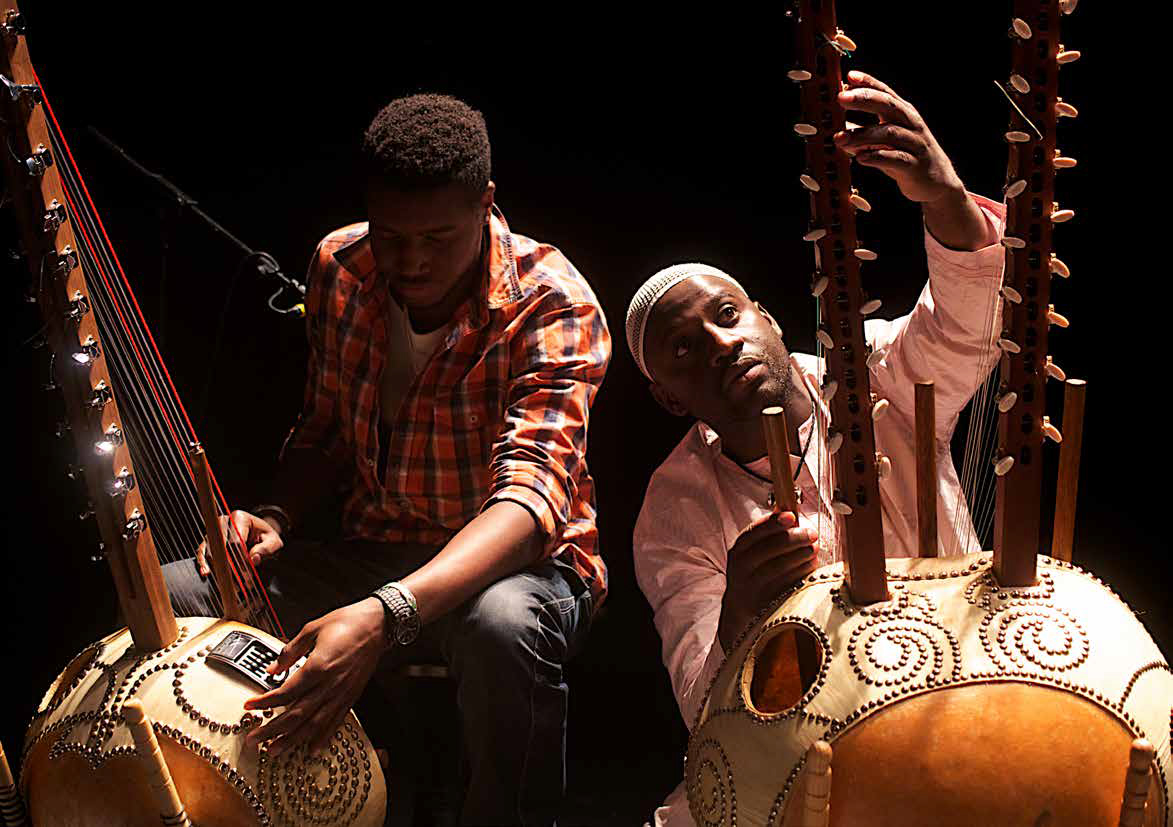
Acoustic guitars form the centre of the record’s sound, joined by subtle percussion and occasional touches of traditional instruments such as the kora. The production is sparse but luminous, leaving generous space between notes so that every phrase carries weight.
Listening closely, the album reveals a delicate balance between African musical tradition and modern acoustic songwriting. The guitars often move in gentle, cyclical patterns, echoing the hypnotic structures found across West African music. Above them Maal’s voice rises with remarkable clarity — expressive, flexible and deeply emotional.
There is a quality to his singing that feels almost conversational.
Rather than projecting outward toward a large audience, he seems to draw the listener closer, inviting attention to the small shifts of tone and phrasing that give the songs their emotional depth. His voice carries echoes of the griot tradition — the role of musician as storyteller and cultural messenger — yet the delivery feels intimate, almost private.
That intimacy is what makes Djam Leelii such a powerful listening experience.
The album rewards patience. At first it may appear deceptively simple — acoustic guitar, voice, percussion moving gently through the arrangements. But as the songs unfold the listener begins to notice the subtle interplay between instruments, the way rhythms overlap quietly beneath the melody, the warmth of the recording itself.
It is music designed for attentive listening rather than spectacle.
And in that sense, the record feels remarkably contemporary.
In a world often defined by volume and speed, Djam Leelii reminds us that some of the most profound musical experiences arrive through restraint. The songs create space for reflection, allowing the listener to settle into the rhythm rather than chase it.
There are moments when the guitar patterns seem to circle endlessly, like wind moving across the Sahel plains. The percussion enters gently, barely disturbing the stillness. Then Maal’s voice lifts the entire piece upward with a phrase that carries both strength and tenderness.
Those moments linger long after the music fades.
Perhaps that is why the album continues to resonate decades after its release. It captures something timeless about West African musical philosophy: the idea that rhythm does not always need to drive forward. Sometimes it can simply hold the listener in place.
And when it does, the effect is quietly transformative.
Listening to Djam Leelii feels like stepping outside the noise of the modern world and hearing the landscape again.
The wind moves slowly across the desert.
The guitar answers.
And somewhere in the distance, a voice carries the story forward.
Quick Questions
What style of music is Djam Leelii?
A largely acoustic blend of West African tradition, folk and desert-influenced rhythms.
How does Baaba Maal differ from other Senegalese artists?
His music often focuses on reflective storytelling and acoustic arrangements rather than high-energy dance rhythms.
Why is this album important?
It introduced global audiences to a quieter, deeply lyrical side of Senegalese music.
Rafi Mercer writes about the spaces where music matters.
For more stories from Tracks & Tales, subscribe, or click here to read more.


