

Tourist — St Germain (2000)
Steel, smoke, and late-night precision
By Rafi Mercer
Some records don’t begin — they drift in.
A brushed cymbal. A bassline walking patiently forward. A fragment of jazz history sampled, looped, and given new electricity. When St Germain released Tourist in 2000, he captured a particular European moment: industrial cities shedding their old skin, clubs replacing factories, jazz slipping quietly into machines.
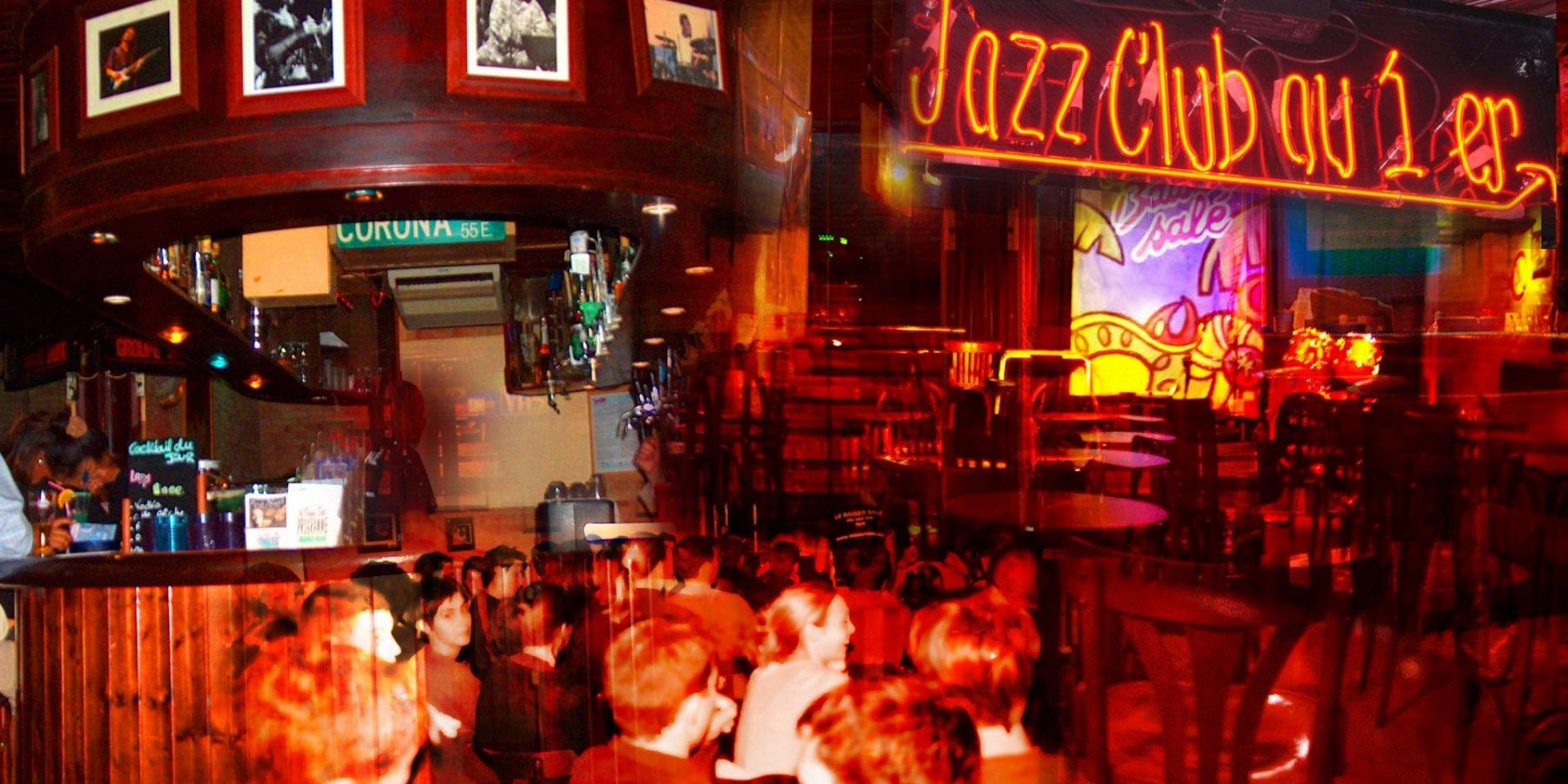
This is Esch-sur-Alzette in sound.
Tourist feels like steel after dark — still warm from the day, but cooling into something reflective. The album opens with “Rose Rouge”, its looping vocal line hypnotic rather than aggressive. The groove builds patiently. Nothing explodes. Everything accumulates.
That patience is the genius.
At the turn of the millennium, electronic music often leaned toward spectacle — big drops, heavy peaks, crowd-commanding drama. Tourist chose restraint. It fused deep house with jazz instrumentation, letting live saxophone and double bass breathe within electronic structure. The result was sophisticated without being aloof, danceable without being frantic.
Listen to “So Flute” and notice the control. The flute motif rides above a tight rhythmic framework, never overplaying. The bass is warm, grounded. The percussion crisp but understated. It’s a masterclass in tension management.
This is music that understands architecture.
Like many post-industrial European cities, Esch reinvented itself through culture rather than noise. Blast furnaces became landmarks. Creative quarters replaced production lines. Tourist mirrors that transformation — organic jazz roots embedded into digital infrastructure.
There is something distinctly cross-border about this album too. French in origin, yes. But its sensibility feels broader — Berlin’s minimalism, London’s broken-beat intelligence, Brussels’ smoky jazz undercurrents. It belongs to Europe as a whole.
Play it late. Volume slightly elevated, but not overwhelming. The record rewards good timing. It’s not about explosive highs; it’s about sustained groove. A DJ who understands flow rather than attention-seeking.
And that’s what makes it timeless.
More than two decades on, Tourist still feels relevant because it never chased trend. It trusted mood. It trusted musicianship. It trusted space. Even the samples — drawn from older jazz recordings — are treated with respect, not gimmickry.
There’s also a subtle sensuality to it. Not overt. Not theatrical. Just a low-lit warmth that settles into the room. The kind of energy you’d want in a carefully curated listening bar — tables spaced intentionally, conversations low, lights dimmed just enough to focus attention.
If All Melody is Luxembourg City’s composed precision, Tourist is southern Luxembourg’s creative pulse — industrial memory turned cultural rhythm.
It reminds us that reinvention doesn’t require abandoning roots. It requires listening carefully to them.
And when you do, the groove lasts longer.
Quick Questions
Is Tourist a club record?
Yes — but a refined one. It’s built for movement, yet equally rewarding in a seated listening environment.
What makes it different from other early-2000s house albums?
Its integration of live jazz instrumentation and restraint. It builds atmosphere rather than chasing peaks.
Does it still hold up today?
Absolutely. Its focus on groove, space, and musicianship makes it feel timeless rather than era-bound.
Rafi Mercer writes about the spaces where music matters.
For more stories from Tracks & Tales, subscribe, or click here to read more.


