
The Quiet Legacy of Nujabes — A Journey Through Luv(sic) Hexalogy
The Quiet Legacy of Nujabes
By Rafi Mercer
Every so often, an album catches you off guard — not with volume, but with grace. Luv(sic) Hexalogy by Nujabes is one of those rare records. It doesn’t shout; it breathes. It moves like light through leaves. And yet, beneath that softness, it carries a pulse — a sense of forward motion that feels almost spiritual.
Nujabes, born Jun Seba, built an entire sound world from fragments — jazz samples, hip-hop rhythms, turntable scratches, piano loops, silences that meant something. His gift was not invention in the obvious sense, but translation: taking the intimacy of jazz and folding it into a beat-driven language that spoke to a new generation of listeners.
Listening to Luv(sic) Hexalogy today feels both joyful and bittersweet. The series, completed after his death in 2010, is a collaboration with the rapper Shing02 — six movements that trace love, loss, memory, and renewal. But more than that, it’s a record about connection. You can feel it in the textures — the upright bass hums like a heartbeat, the piano circles back like thought, and the voices glide through the mix as if already fading into dream.
The jazz loops are sampled, yes, but they feel alive. That was his craft: making samples breathe again. The fragments aren’t stolen moments — they’re restored ones. Each phrase sits in perfect conversation with the next, built with the precision of someone who listened deeply. You hear it most in the space between beats — the tiny pauses where the music exhales.
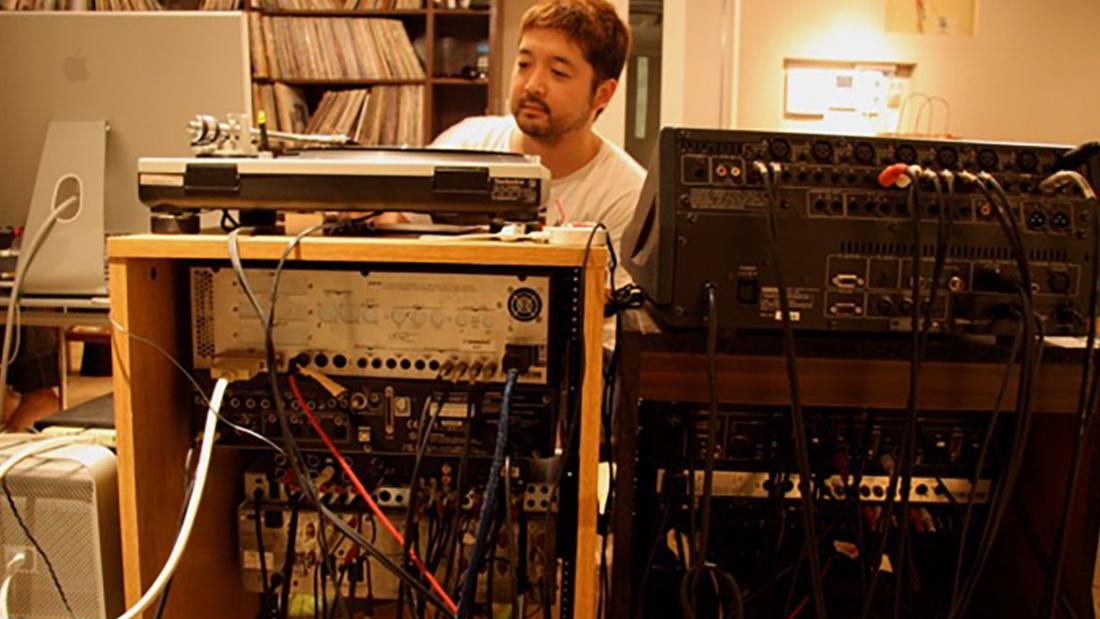
It’s not hard to imagine Luv(sic) playing in a listening bar. The lights low, the system tuned to warmth rather than brightness, a whisky resting on the counter. It’s the kind of record that invites stillness — but also motion. You find yourself nodding along, thinking without effort, feeling without instruction. There’s melancholy there, but also optimism, even joy. It’s music that understands life’s uneven rhythms and makes peace with them.
Nujabes died in a car accident at just 36, but his music never stopped moving. It travelled — from Tokyo basements to London lofts, from late-night drives to morning reflections. And what’s remarkable is how relevant it feels now. In a time when noise is endless and attention is fleeting, Nujabes reminds us that patience and detail still matter. That groove can be gentle, and depth doesn’t need to be loud.
There’s a sense of craft in every bar — the balance of restraint and release. The way the drums sit just behind the beat. The way the samples are EQ’d to glow rather than glare. It’s a masterclass in how to build feeling without fuss. For those who love vinyl, the record holds that weight perfectly — a tactile, breathing thing that sounds different each time the needle drops.
Perhaps that’s the true legacy of Nujabes. Not just the music he made, but the way he made it — quietly, carefully, with devotion to both sound and soul. His work lives in the spaces that modern music often overlooks: subtlety, imperfection, flow. Luv(sic) Hexalogy is a reminder that listening itself can be an act of care.
I’ve been playing it this week, and each time I do, it feels like a small reset. The kind of album that lifts without effort — bright, rhythmic, human. Maybe that’s what we need more of now: sound that reminds us how to feel whole.
Rafi Mercer writes about the spaces where music matters. For more stories from Tracks & Tales, subscribe here, or click here to read more.


