
メキシコシティ:高地の響き
ラフィ・マーサー
メキシコシティは標高が高い場所にあるため、音の響きが他とは異なります。海抜2,000メートルを超えるこの地では、空気は薄く、リズムはゆったりとし、音はより深く響き渡ります。街を歩けば、アステカ時代の礎、植民地時代のファサード、モダニズム建築が広がる街並み――歴史の層が重なり合い、すべてが生命の鼓動を帯びているのを感じることができます。 そして、そのすべてを貫くように、音楽がこの街を一つに結びつけている――広場でのマリアッチ、キャンドルの灯る部屋でのジャズ、屋上から響くエレクトロニックビート。しかし近年、この合唱に新たな声が加わった。「リスニング・バー」だ。それは、レコード、静寂、そして雰囲気が融合する、より静かな聖域である。
なぜこの街に「リスニング・バー」がふさわしいのかを理解するには、この街の激しさを肌で感じなければならない。メキシコシティは広大で、落ち着きがなく、決して静止することはない。交通の騒音は絶え間ない打楽器のように響き、市場は賑わい、ナイトライフは眠ることを知らない。しかし、こうした喧騒の中にあっても、静けさのある空間は大切にされている。カフェは昔から安らぎの場であり、現代的なバーが登場するはるか以前から、カンティーナは人々に「儀式」のような場を提供してきた。「リスニング・バー」はその系譜を受け継いでいるが、その「儀式」を「会話」から「沈黙」へ、「見世物」から「音」へと変えたに過ぎない。
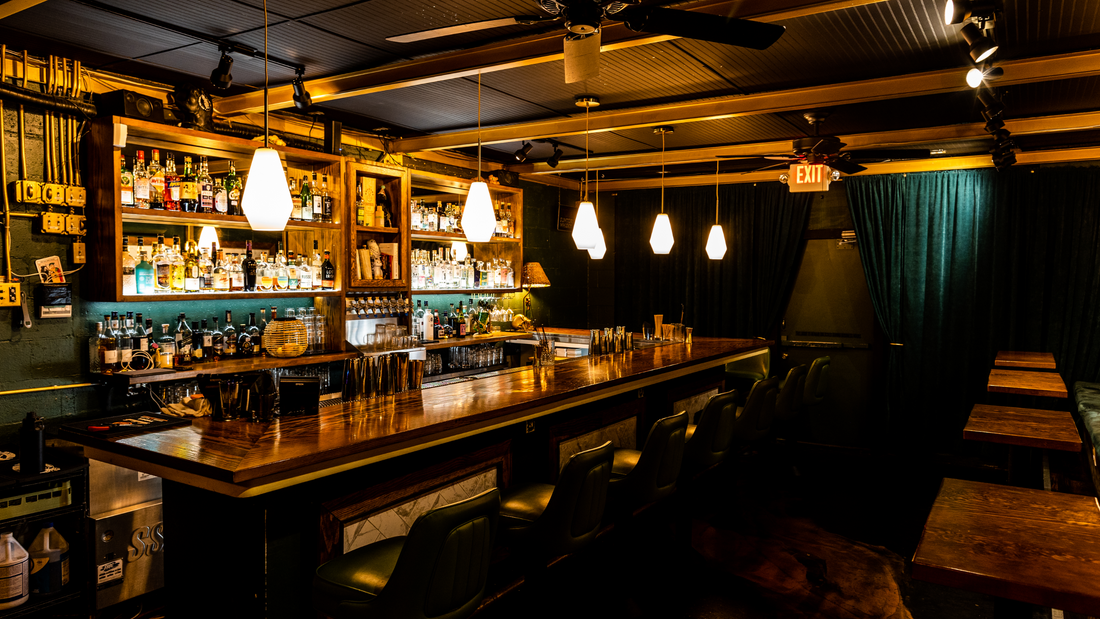
店内は、東京の喫茶店を知っている人ならお馴染みの雰囲気だ。針がレコードに落ち、雑談の声が遠のき、アルバムが全編にわたって繰り広げられる。しかし、そのムードは明らかにメキシコ風だ。店内には温もり、木目、キャンドルの灯り、そしてもてなしの心が満ちている。ベルリンのような厳格さはなく、ニューヨークのような縦方向の切迫感もない。その代わりに、音に寛大さがあり、声がひそめられていても、音楽を聴くことは社交的な行為であるという感覚がある。それは、演奏と聴くことが同じ連続体の一部となっているオースティンを思い起こさせる。メキシコシティも同様の感覚だ。音楽が公の場で息づいている一方で、静寂を分かち合うこともできる場所である。
この街では、レコードは「アーカイブ」としても「新たな発見」としても活気に満ちている。ローマ地区やコンデサ地区のレコード店には、ブルーノートやインパルス・レーベルの再発盤だけでなく、ラテン・ジャズ、クンビア、ボレロ、ロック・エン・エスパニョールの至宝も並んでいる。コレクターたちは、コルトレーンの日本盤を、アグスティン・ララの現地再発盤と同じくらい大切にしている。この融合こそが、この街を魅力的にしているのだ。世界的な名曲が地元の伝統を通して屈折し、輸入された高音質と土着のリズムが混ざり合っている。ロンドンでは、レコードは歴史的な存在として感じられますが、メキシコシティでは、ダンスフロアや広場と今なお結びついた、生き生きとした存在として感じられます。
リスニングバーで流れるレパートリーは、そのハイブリッド性を反映している。ある夜は、マイルス・デイヴィスの『Kind of Blue』――リスニングバーのアルバム棚で特設展示しているあのアルバム――から始まり、その後、ペレス・プラドの現地プレス盤へと移り変わる。そこでは、ホーンの音が鮮やかに響き、パーカッションの音が鋭く際立つ。また別の夜には、アンビエントな音色とメスカルを組み合わせ、静寂や儀式がジャズだけのものではないことを証明してくれる。その選曲はグローバルでありながら、地に足がついている。まるで、この標高そのものが、音には地に根ざしていなければならないと主張しているかのようだ。
飲み物が果たす役割もあり、そこではメスカルが中心的な存在となる。スモーキーで素朴な味わいをゆっくりと味わうというその儀式は、レコードという「ゆったりとした文化」と自然に調和する。以前、ウイスキーと音楽鑑賞の相性について、酒と音が互いに引き立て合うことについて書いたことがある。メキシコシティでは、メスカルがその役割を担い、儀式と雰囲気を結びつけ、音楽を聴く夜を儀式へと昇華させるのだ。
私が最も魅了されるのは、ここでは沈黙の中でも「聴く」という行為が社会的なものとして保たれている点だ。『沈黙は贅沢』の中で、私は騒音に満ちた文化において静寂には価値があると論じた。メキシコシティはまさにそのことを証明している。レコードが回る時、部屋は静まり返るが、共同体の感覚は消え去ることはない。聴き手たちは互いに視線を交わし、うなずき合い、一緒に飲み物を口にする。それは孤立ではなく、つながりとしての沈黙なのだ。
そんな夜を過ごした後、外に出れば、街の喧騒が再び押し寄せてくる――車の往来、行商人の呼び声、ネオンが点滅する。しかし、あなたの耳は以前とは違った感覚で物事を受け止めている。石畳を踏みしめる足音のリズム、市場に響く声のハーモニー、屋根を叩く雨音のシンコペーションに気づくのだ。「リスニング・バー」はあなたの感覚を再調整し、街を音楽として聴き取る方法を教えてくれたのだ。
メキシコシティが『アトラス』にふさわしいのは、そこが「聴く文化」が単なる都市からの輸入品ではなく、自然な表現そのものであることを証明しているからだ。東京が静寂を洗練させ、ニューヨークが永続性を強調し、ベルリンが厳格さを際立たせたのと同様に、メキシコシティは寛容さをもたらす。この街は、伝統と未来主義、喧騒と静寂、ローカルとグローバルを融合させている。そして、標高とは単なる地理的な概念ではなく、「聴く」ことそのものであることを私たちに示してくれる――空気が薄ければ薄いほど、音は深く響き、リズムはゆったりとなるのだ。
この街は、単にリスニングバーを運営しているだけではありません。街そのものがリスニングバーの息吹そのものなのです。
ラフィ・マーサーは、音楽が重要な役割を果たす場所について執筆しています。「Tracks & Tales」のその他の記事をご覧になりたい方は、購読登録するか、こちらをクリックして続きをお読みください。


