
Old Speakers, New Ears
By Rafi Mercer
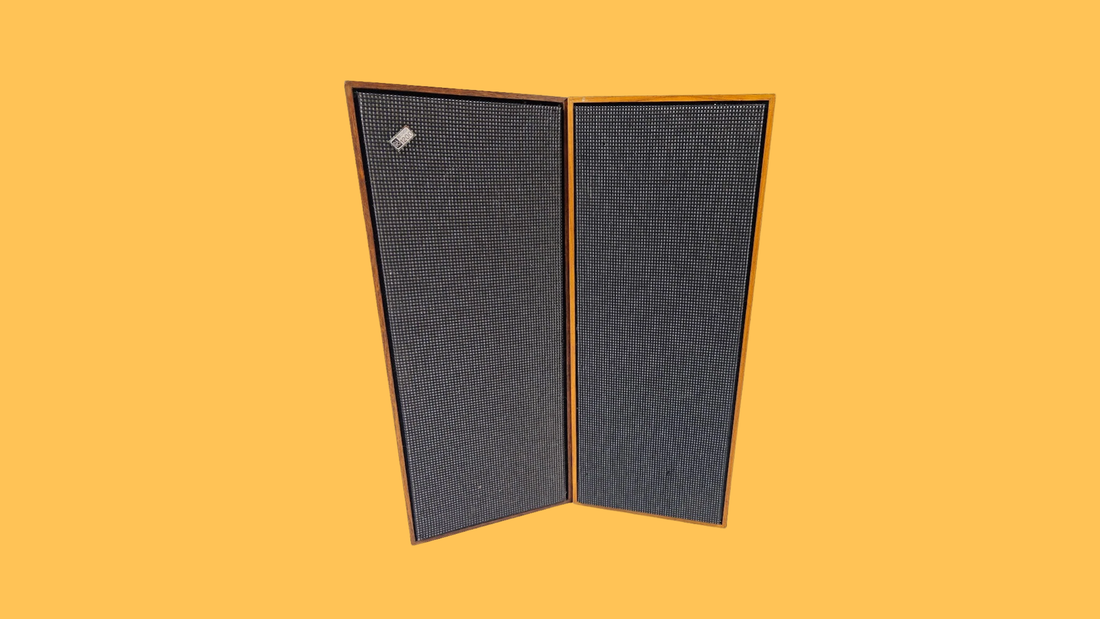
I’ve been staring at a pair of BeoVox speakers all morning — old B&O models, solid, square, the kind of Danish design that belonged to another rhythm of life. They’re from an era when hi-fi meant furniture and patience, when you placed speakers like you placed trust — carefully, deliberately, hoping they’d last decades. These ones have. The drivers look tired, the cones a little frayed at the edges, the veneer dulled by years of quiet service. But I can’t bring myself to dismiss them.
There’s something in me that wants to hear what time sounds like.
That’s what old speakers promise — not perfection, but perspective.
They’ve probably spent years playing dinner-party jazz, the occasional radio broadcast, maybe the Sunday morning classical show that once made its way through British living rooms. Now, they’ve landed in mine, waiting to be connected to a Technics 1210 MK2 — my own workhorse, built for precision, balance, and those micro-moments of discovery that come when you drop the needle just right.
It might seem an odd pairing: classic DJ heritage meets mid-century Danish domestic sound. But that’s what makes it interesting. I want to hear how new vinyl — the newer world and jazz pressings that shape my current listening — might sound through the textures of age. Will the tone soften? Will the bass bloom a little too much? Will the treble give up before the truth does? Maybe. But maybe they’ll remind me what warmth really meant before clarity became the only goal.
That’s something I’ve come to realise after years in the sound world — every generation has its version of fidelity. Today, we talk about transparency and accuracy, but once it was about character. The BeoVox speakers were voiced for rooms that were alive — soft with curtains, heavy with oak, shaped by air that moved slower. Listening through them is like reading a poem through old glass: the view is slightly imperfect, but that imperfection gives it depth.
There’s a kind of romance in that. I could strip them down, replace the drivers, make them clean again. But then they’d lose their story. I’d rather hear what they still have to say — to see how they handle the space between Kamasi Washington and John Coltrane, between modern bass weight and vintage soul. Maybe they’ll surprise me.
Sound, after all, isn’t just about precision. It’s about presence. Those old BeoVox boxes, even before they play a note, carry a sense of history — a lived-in tone that’s earned rather than engineered. I think I owe it to them, and to myself, to listen first before deciding what’s broken.
So tonight, I’ll wire them up.
The 1210 will spin.
A little static will rise in the air like dust caught in a beam of light.
And I’ll hear — not the perfect version of the record, but perhaps the truest one.
Because sometimes, the best way to listen forward is to listen through the past.
Rafi Mercer writes about the spaces where music matters.
For more stories from Tracks & Tales, subscribe, or click here to read more.


