
Port Harcourt Listening Bars — Bass, Oil-City Rhythm, Night Energy — Tracks & Tales Guide
Where the humidity hangs low and the low-end hangs lower.
By Rafi Mercer
In Port Harcourt, the air feels thick before a note is played. You sense it on the waterfront at dusk, the light bending off the Bonny River, the heat holding steady even after the sun has stepped back. This is an oil city — industrial, muscular, restless — and its sound follows suit. The bass arrives first. Not politely, not tentatively. It settles in your chest and asks you to keep up.
Listening here is not a retreat from the world; it is an affirmation of it. Clubs pulse deep into the night, generators humming beneath neon, DJs braiding Afrobeats with dancehall and hip-hop, highlife guitars threading brightness through the low-end weight. There’s a grit to it — not roughness, but honesty. The mix is built for bodies in motion and rooms that refuse to cool down.
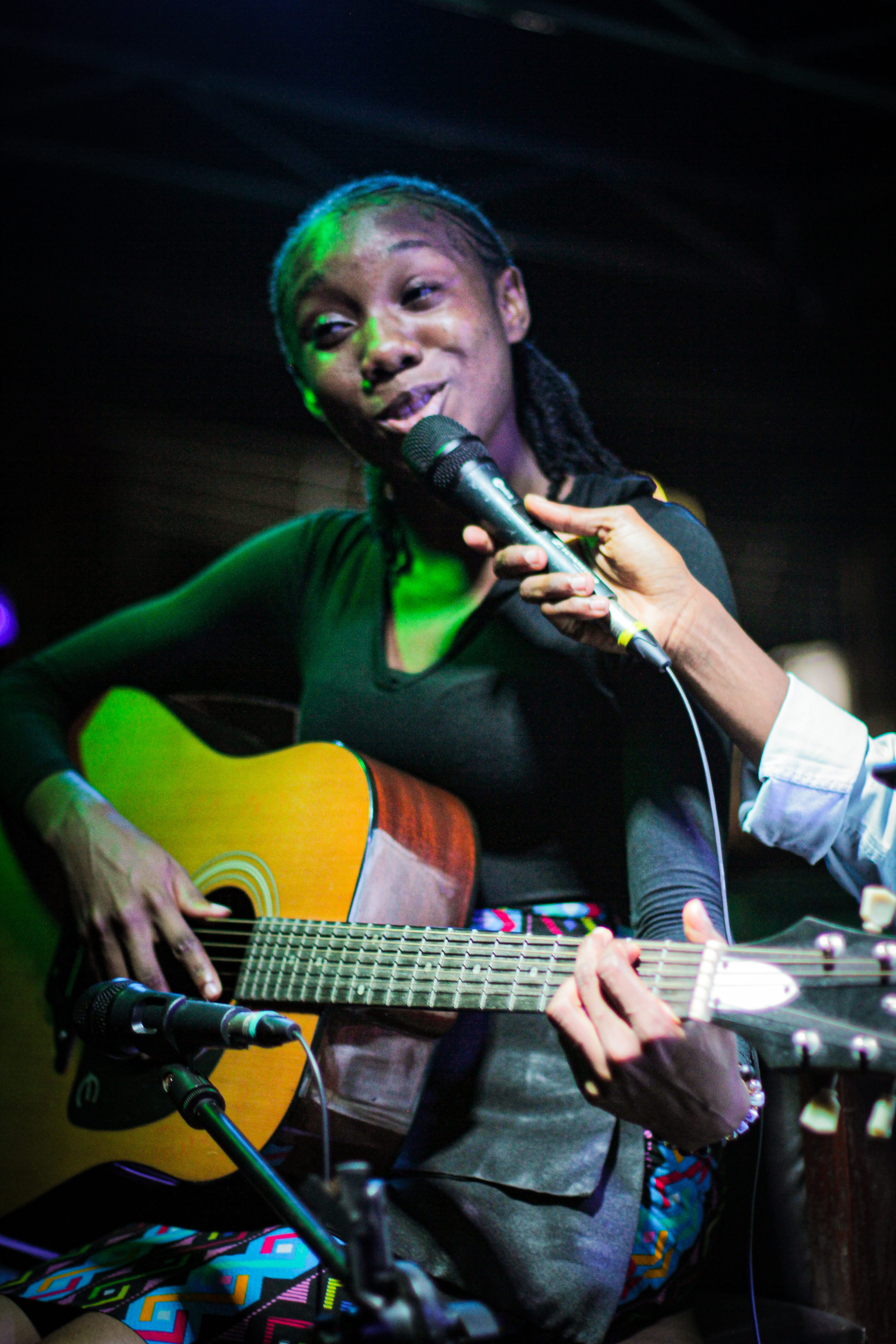
Historically, the Niger Delta has always carried rhythm as inheritance. Percussion patterns echo older traditions, call-and-response refrains travel easily across crowded rooms, and live bands still matter. You’ll hear brass sections warming the edges of modern production, guitar lines that nod to highlife lineage, and vocal hooks designed to be answered back. In Port Harcourt, the crowd is part of the arrangement.
The listening venues themselves range from tightly packed nightclubs in GRA to waterfront lounges where the city’s ambition is worn openly — pressed shirts, polished shoes, a certain upright posture. Sound systems are powerful rather than precious. Clarity is important, but impact is non-negotiable. The subwoofers work hard; the midrange cuts clean enough for the lyric to land. It’s engineered for celebration — birthdays, homecomings, promotions, reunions. Music is not a solitary ritual; it is social proof that you are alive and here.
There is also a devotional strand that shapes the city’s ear. Church systems can be astonishing — full bands, choirs, harmonies that rise with conviction. Gospel doesn’t sit quietly; it surges. The architecture of listening extends beyond nightlife into Sunday mornings, where sound is both spiritual and communal. The technical ambition is real — mixers, microphones, carefully placed speakers — but the objective is always connection.
Port Harcourt’s rhythm feels slightly less performative than Lagos, less curated than the capital. It is more local, more internal, more about the immediate circle of faces in front of you. That intimacy gives the music a different temperature. It’s warm, but it’s also focused. The DJ reads the room. The band stretches the groove. The crowd responds in kind.
For Tracks & Tales, this is important. Listening culture here is kinetic, not contemplative. It resists the hush of a vinyl temple and instead honours the collective inhale before a drop. If you came looking for silence, you might miss the point. If you came to feel the geometry of bass against humid air, you’ll understand quickly.
Port Harcourt listens with its whole body.
Venues to Know
Coming soon — add a venue: help us map Port Harcourt’s listening spaces. Use our short form: Submit a venue.
Explore the culture: see more from the region — Nigeria.
Stay connected: get Port Harcourt updates first — Subscribe.
In a city built on extraction and endurance, Port Harcourt turns pressure into rhythm.
Rafi Mercer writes about the spaces where music matters.
For more stories from Tracks & Tales, subscribe, or click here to read more.
The Listening Register
A small trace to say: you were here.
Listening doesn’t need applause. Just a quiet acknowledgement — a daily pause, shared without performance.
Leave a trace — no login, no noise.
Paused this week: 0 this week
Discover and book listening bars selected by the TRACKS & TALES Guide
More Reads From Tracks & Tales-

DJ Bar Bridge Shinjuku — Tokyo
DJ Bar Bridge Shibuya is a tenth-floor DJ bar overlooking Shibuya Crossing, with a Rey Audio sound system, long-running resident DJs, a ¥1,000 door and hours of 8pm–5am.
DJ Bar Bridge Shinjuku — Tokyo
DJ Bar Bridge Shibuya is a tenth-floor DJ bar overlooking Shibuya Crossing, with a Rey Audio sound system, long-running resident DJs, a ¥1,000 door and hours of 8pm–5am.
-

Maru Hi-Fi, Newcastle — The Quiet Door on Union...
Maru Hi-Fi is a jazz kissa-inspired listening bar in Newcastle West, NSW, with a 10,000-record collection, Tannoy Westminster speakers, live jazz and BYO Records nights.
Maru Hi-Fi, Newcastle — The Quiet Door on Union...
Maru Hi-Fi is a jazz kissa-inspired listening bar in Newcastle West, NSW, with a 10,000-record collection, Tannoy Westminster speakers, live jazz and BYO Records nights.
-

Hi-Fi Disco Bar Chaos — Maruyamacho's Permissio...
Maruyamacho climbs. Walk west out of Shibuya and the ground lifts you through a district that has spent decades in the business of discretion, love hotels shoulder to shoulder, their...
Hi-Fi Disco Bar Chaos — Maruyamacho's Permissio...
Maruyamacho climbs. Walk west out of Shibuya and the ground lifts you through a district that has spent decades in the business of discretion, love hotels shoulder to shoulder, their...
-

Stylus Soundlounge — Charlotte, North Carolina
Stylus Soundlounge in Charlotte, NC — a disco-noir listening room at The Pass built around a collector's vintage analogue system, with Host Selectors Wednesday to Saturday. A Tracks & Tales...
Stylus Soundlounge — Charlotte, North Carolina
Stylus Soundlounge in Charlotte, NC — a disco-noir listening room at The Pass built around a collector's vintage analogue system, with Host Selectors Wednesday to Saturday. A Tracks & Tales...


The Daily Read
More Reads From Tracks & Tales-

The Side Ends
When a record side ends, nobody decides for you what happens next. That small moment sits underneath four words, listen, read, look, watch, and an order that runs from the...
The Side Ends
When a record side ends, nobody decides for you what happens next. That small moment sits underneath four words, listen, read, look, watch, and an order that runs from the...
-

Stevie Wonder, Fifty Years in the Key of Life
Yesterday, Stevie Wonder's Songs in the Key of Life turned fifty. The last session ended at 4:54 in the morning, and this week the record still asks for the best...
Stevie Wonder, Fifty Years in the Key of Life
Yesterday, Stevie Wonder's Songs in the Key of Life turned fifty. The last session ended at 4:54 in the morning, and this week the record still asks for the best...
-

Twenty-Six Addresses
An order list puts everything in alphabetical order, which is the least romantic way to watch anything travel. Twenty-six copies, eighteen places, and in each one the listening had already...
Twenty-Six Addresses
An order list puts everything in alphabetical order, which is the least romantic way to watch anything travel. Twenty-six copies, eighteen places, and in each one the listening had already...
-

The Long Track
A September traffic queue, an Electribe 101 record put on for no good reason, and a title track that wouldn't end. Was it nostalgia, or just being trapped? Rafi Mercer...
The Long Track
A September traffic queue, an Electribe 101 record put on for no good reason, and a title track that wouldn't end. Was it nostalgia, or just being trapped? Rafi Mercer...


The Listening Shelf
More Reads From Tracks & Tales-

The 100 records that are worth your time
Most charts count arrivals. This one counts staying. A hundred records from the album reviews, ranked by the total time readers gave each one across a full year. Not views....
The 100 records that are worth your time
Most charts count arrivals. This one counts staying. A hundred records from the album reviews, ranked by the total time readers gave each one across a full year. Not views....
-

Blue Brazil — Various Artists (1994)
Blue Brazil wears the Blue Note logo but holds none of its sessions. Compiled by London DJ Joe Davis from EMI-Odeon's Brazilian vaults in 1994, it's a record built by...
Blue Brazil — Various Artists (1994)
Blue Brazil wears the Blue Note logo but holds none of its sessions. Compiled by London DJ Joe Davis from EMI-Odeon's Brazilian vaults in 1994, it's a record built by...
-

Nightclubbing — Grace Jones (1981)
Grace Jones's Nightclubbing is remembered as one of the great album covers and heard far less often than it is seen. Take the image away and what's left is a...
Nightclubbing — Grace Jones (1981)
Grace Jones's Nightclubbing is remembered as one of the great album covers and heard far less often than it is seen. Take the image away and what's left is a...
-

Dance, No One's Watching — Ezra Collective (2024)
Ezra Collective's third album was recorded at Abbey Road in the days after Notting Hill Carnival, with friends and family filling the studio so the band wouldn't have to play...
Dance, No One's Watching — Ezra Collective (2024)
Ezra Collective's third album was recorded at Abbey Road in the days after Notting Hill Carnival, with friends and family filling the studio so the band wouldn't have to play...


The Pour
More Reads From Tracks & Tales-

Angostura — The Small Bottle That Teaches a Dri...
A new Rafi Mercer essay exploring the deep history and quiet magic of Angostura bitters — the secretive, aromatic force that gives the Old Fashioned its soul.
Angostura — The Small Bottle That Teaches a Dri...
A new Rafi Mercer essay exploring the deep history and quiet magic of Angostura bitters — the secretive, aromatic force that gives the Old Fashioned its soul.
-

The Zest That Changes Everything — On the Quiet...
The quiet power of small rituals — from twisting orange zest over an Old Fashioned to the subtle art of deep listening.
The Zest That Changes Everything — On the Quiet...
The quiet power of small rituals — from twisting orange zest over an Old Fashioned to the subtle art of deep listening.
-

The Orange That Opens the Room
A quiet meditation on the ritual of an Old Fashioned — the citrus flare, the warmth it opens, and the small brightness that can shift a whole night.
The Orange That Opens the Room
A quiet meditation on the ritual of an Old Fashioned — the citrus flare, the warmth it opens, and the small brightness that can shift a whole night.
-

Five Drinks for the Home Listening Bar
Five drinks that shape the perfect home listening bar — from the Old Fashioned to the Highball, Rafi Mercer explores the art of sound and taste.
Five Drinks for the Home Listening Bar
Five drinks that shape the perfect home listening bar — from the Old Fashioned to the Highball, Rafi Mercer explores the art of sound and taste.


